
Making the Right Choice for Your Home
Roof Repair or Replacement in Seminole, TX
Expert Guidance for Texas Homeowners

Understanding Roof Damage Assessment
Signs Your Roof May Need Attention
Your roof endures constant exposure to the elements, and recognizing early warning signs can save you from costly emergency situations. In Seminole and the surrounding West Texas region, roofs face unique challenges from intense sun exposure, sudden hailstorms during spring and early summer, and high winds that sweep across the plains.
Visible damage often appears as missing, cracked, or curling shingles. After strong windstorms common to this area, check for shingles that have lifted or blown off entirely. Granule loss, which appears as bare spots on asphalt shingles or accumulation in gutters, indicates advanced wear from UV exposure.
Interior signs are equally important. Water stains on ceilings or walls, particularly after recent rainfall, suggest compromised waterproofing. Sagging areas in your roofline indicate structural concerns that require immediate evaluation. In attics, look for light penetrating through the roof boards or dampness in insulation, both clear indicators of breach points.
Homeowners should also note the age of their roof. Most asphalt shingle roofs last 20 to 25 years under normal conditions, though West Texas weather can accelerate deterioration. If your roof approaches this age range and shows multiple symptoms, replacement may be more economical than repeated repairs.
When Repairs Are Sufficient
Situations Where Targeted Fixes Work Best
Limited, localized damage often responds well to targeted repairs without requiring complete replacement. If damage affects only a small section, typically less than 30 percent of the total roof surface, repairs usually provide an effective and economical solution.
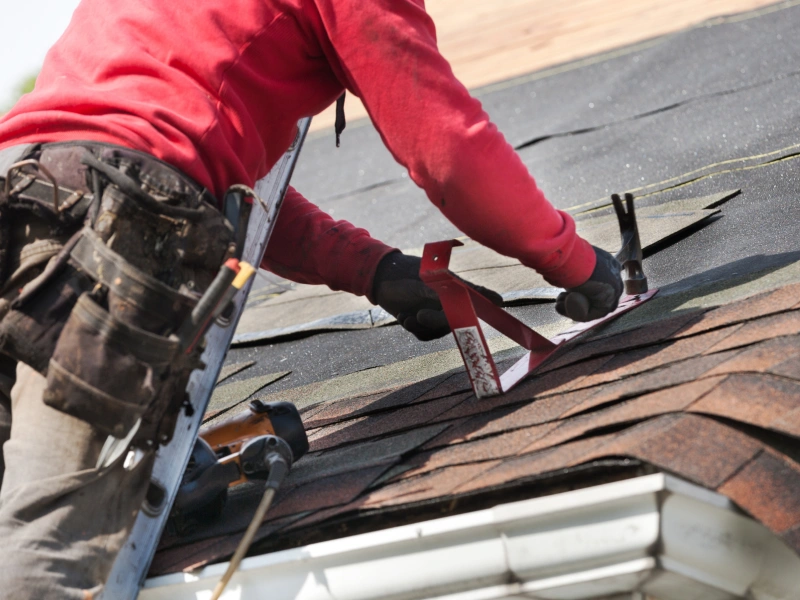
Isolated storm damage is a prime candidate for repair work. A hailstorm that impacts one slope of your roof or wind damage affecting a corner section can be addressed by replacing damaged shingles and underlying materials in that specific area. This approach works particularly well when the rest of the roofing system remains structurally sound.
Flashing repairs around chimneys, vents, and skylights frequently solve leak problems without broader intervention. These metal components protect vulnerable transition points where water commonly penetrates. When properly installed, new flashing creates watertight seals that extend the life of the overall system.
Age considerations matter significantly in repair decisions. If your roof is relatively new, within the first half of its expected lifespan, and shows isolated damage, repairs make financial sense. The remaining years of service life justify the investment in quality fixes rather than premature replacement.
Minor leak repairs also fall into this category when identified early. A small puncture from a fallen branch or a few damaged shingles from recent weather events can be addressed quickly before water infiltration causes broader structural damage to decking or interior spaces.
When Complete Replacement Becomes Necessary
Recognizing the Need for Total System Renewal
Complete replacement becomes the appropriate choice when damage extends across large portions of your roofing system or when the structure has reached the end of its functional lifespan. Multiple factors help determine when this more substantial investment makes sense.
Widespread deterioration across the roof surface indicates systemic failure rather than isolated incidents. When more than 30 percent of shingles show damage, curling, or significant granule loss, the cost of extensive repairs often approaches replacement pricing while providing inferior long-term value.
Age remains one of the clearest indicators. Roofs beyond their expected service life, even without obvious damage, have compromised integrity. Materials become brittle, adhesive bonds weaken, and the entire system loses its ability to protect effectively against moisture intrusion. Waiting until catastrophic failure occurs risks interior damage far exceeding the cost of proactive replacement.
Structural concerns such as sagging, widespread rot in decking, or compromised support framework require complete rebuilding. These issues extend beyond the visible roofing materials to the underlying structure, making partial repairs inadequate and potentially dangerous.
Repeated leak problems in different locations suggest overall system failure. If you find yourself addressing new leak points season after season, the waterproofing barrier has failed comprehensively. Continuing to patch individual problem areas becomes a costly cycle without addressing the fundamental issue.
Energy efficiency considerations also play a role. Older roofing systems lack modern ventilation designs and reflective materials that reduce cooling costs. In the intense summer heat typical of Seminole, upgrading to current technology can deliver substantial utility savings that offset replacement investment over time.
Cost Considerations and Long-Term Value
Making Financially Sound Decisions
Financial analysis should extend beyond immediate costs to include long-term value, property protection, and potential consequences of delaying necessary work. Understanding these factors helps homeowners make informed decisions aligned with their circumstances.
Repair costs typically range from a few hundred dollars for minor fixes to several thousand for extensive patching work. Replacement investments are substantially higher but provide decades of reliable protection with modern materials and installation techniques. Comparing these options requires evaluating not just the price difference but the expected service life each approach delivers.
The age and condition of existing materials heavily influence cost-effectiveness. Repairing a roof with ten years of remaining life makes financial sense. Investing in repairs for a system nearing the end of its lifespan often leads to additional repair expenses within months or years, creating a pattern of diminishing returns.
Hidden costs associated with repeated repairs include not only the direct service expenses but also potential interior damage from ongoing moisture penetration. Water infiltration damages insulation, ceiling materials, wall structures, and can promote mold growth. These secondary damages frequently exceed the cost of timely replacement.
Property value considerations matter, particularly if you plan to sell within several years. A new roof installation provides documented protection and enhances marketability, while a roof with visible age or repair history may deter buyers or reduce offer prices. Real estate professionals consistently identify roofing condition as a key factor in property valuations.
Insurance implications also affect financial calculations. Many policies provide coverage for sudden damage events but not for maintenance-related deterioration. Understanding your coverage helps determine out-of-pocket expenses and whether filing claims makes sense given potential premium impacts.
Professional Assessment and Next Steps
Getting Expert Evaluation for Your Specific Situation
Professional inspection provides the detailed assessment necessary for confident decision-making. Qualified contractors examine not only visible surface conditions but also underlying structures, ventilation systems, and waterproofing integrity that homeowners cannot easily evaluate from ground level.
A thorough evaluation includes examining shingle condition across all roof planes, checking flashing at penetration points, assessing ventilation adequacy, inspecting decking from attic spaces, and identifying any structural concerns. This systematic approach reveals the true extent of any issues and whether they require targeted fixes or complete system renewal.
Timing your inspection strategically helps avoid emergency situations. Schedule evaluations after severe weather events, when you notice interior water signs, or as part of routine home maintenance every few years. Proactive assessment identifies developing problems while you still have time to plan and budget appropriately rather than facing urgent repairs during active leaks.
When selecting a contractor for assessment, look for licensed professionals with established local presence, verifiable references, and experience with residential roofing systems common to the region. Companies familiar with West Texas weather patterns and building practices provide more relevant recommendations than those without regional knowledge.
At our company, we provide detailed inspections that give homeowners clear information about their roofing system condition. Our team examines every aspect of your roof structure, explains findings in straightforward terms, and presents options with realistic cost estimates. We help customers understand whether targeted repairs will provide adequate protection or whether replacement offers better long-term value. Our experience serving Seminole and surrounding communities means we understand the specific challenges local roofs face and recommend solutions proven to perform in this climate. Whether you need minor fixes or complete installation, we deliver quality workmanship backed by reliable service.
Making the right choice between repair and replacement protects your home, preserves your investment, and provides lasting security for your family. Professional guidance ensures you have accurate information to make decisions aligned with your specific circumstances and goals.
